Case Study: Revolutionizing Fragrance Production with Stainless Steel IBCs in the Northeast

LinkedIn Share Button

Introduction

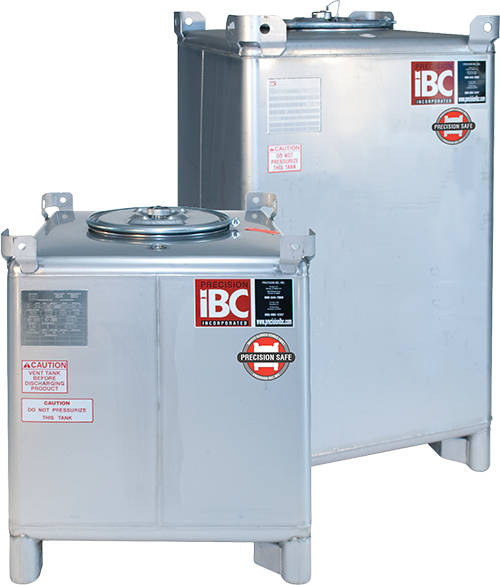
Discover how a New Jersey-based fragrance company transformed its manufacturing process with stainless steel Intermediate Bulk Containers (IBCs). This case study explores the company’s challenges, solutions provided by stainless steel IBCs, and the remarkable outcomes achieved in the fragrance industry.

Background Company Overview

Founded over three decades ago, this New Jersey-based fragrance company specializes in creating premium scents for perfumes, cosmetics, and household products. With a strong commitment to quality and innovation, the company continually seeks advancements in its manufacturing processes.


Initial Challenges:

  1. Contamination Risk: Previous use of plastic containers posed a significant risk of odor and residue retention, leading to cross-contamination and compromised product quality.
  2. Durability Issues: Frequent handling and transport of plastic containers resulted in damage, spillage, and increased operational costs.
  3. Inefficient Cleaning: Labor-intensive cleaning processes for plastic containers caused production delays and higher labor costs.
  4. Environmental Concerns: The company aimed to reduce its environmental footprint; plastic containers contributed to waste and were not aligned with sustainability goals.

Solution: Stainless Steel IBCs

To overcome these challenges, the company transitioned to stainless steel IBCs known for their durability and efficiency.

Learn More

Key Features of Stainless Steel IBCs:

  • Hygienic and Non-reactive: Stainless steel prevents odor absorption, ensuring product integrity and purity.
  • Durable: Resistant to damage, reducing the risk of spills and leaks during handling.
  • Easy to Clean: Smooth, non-porous surfaces simplify cleaning and sterilization processes, enhancing efficiency.
  • Sustainable: Reusable and recyclable, supporting the company’s environmental sustainability efforts.

Implementation Transition Process:

The company partnered with a leading stainless steel IBC rental provider to facilitate a seamless transition

  1. Assessment and Customization: Tailored IBCs to fit specific production needs and requirements.
  2. Training: Comprehensive staff training sessions ensured smooth integration of stainless-steel IBCs into the production line.
  3. Phased Rollout: Implemented the transition in stages to minimize disruption and allow for adjustments based on initial feedback.

Outcomes:

  • Enhance Product Quality: Improved product purity and consistency with reduced risk of contamination.
  • Increased Efficiency: Streamlined cleaning processes led to faster turnaround times and reduced production downtime.
  • Environmental Impact: Reduced plastic waste and promoted recycling efforts, aligning with sustainability goals.
  • Improved Safety: Enhanced workplace safety with better spill and leak protection during handling and transport.

Conclusion

The adoption of stainless-steel IBCs marked a significant milestone for this New Jersey fragrance company, setting new standards in operational efficiency and sustainability. This case study demonstrates the transformative impact of innovative solutions on manufacturing processes, inspiring others in the fragrance industry to enhance operations and environmental practices.

Renting vs Purchasing IBC Containers: Exploring The Benefits

Renting vs Purchasing IBC Containers: Exploring The Benefits

Blog Post with Share Buttons

In today’s competitive market, businesses across various industries face the challenge of managing their assets efficiently, especially when it comes to Intermediate Bulk Containers (IBCs). These containers play a crucial role in storage and transportation. In this blog post, we’ll explore the benefits of renting vs. purchasing IBC containers outright.

COST-EFFECTIVENESS OF RENTING IBCS:

First and foremost, let’s highlight the cost-effectiveness of renting versus purchasing IBC containers. Purchasing new assets can be quite a significant investment, with the cost of a single IBC typically ranging from $3,000 to $5,000. When you multiply that many times over for a fleet of IBCs, the capital outlay can be substantial. Conversely, renting offers a cost-effective alternative, with payments spread over the life of the contract, often being tax-deductible. For more information on the tax benefits of renting, see IRS guidelines.

FLEXIBLE RENTAL PLANS AND INDUSTRY APPLICATIONS:

Precision IBC serves a wide range of industries including chemicals, oil and gas, food grade, pharmaceutical, paints and coatings, and distilling. Our containers range in size from 126 gallons to 793 gallons and are governed by 49 CFR UN/DOT requirements. To learn more about 49 CFR UN/DOT requirements, visit Department of Transportation. Much of our business revolves around rentals, with over 50,000 assets currently in circulation. Therefore, we offer flexible short- and long-term rental plans, allowing customers to lock in their packaging costs for the duration of their projects. The demand for rented tote tanks is booming, driven partly by soaring costs for reusable containers and extended lead times.

Flexibility and Adaptability:

Flexibility is one of the primary reasons customers opt for renting over buying outright. Companies often purchase IBCs to fulfill specific contracts. However, once the contract ends, they’re left with expensive assets sitting idle, consuming, or taking up valuable space. By partnering with a best-in-class IBC rental company like Precision IBC, businesses can mitigate some of this risk. Renting from us costs less than buying, and you can return the tank when the job is done. Additionally, our customers benefit from 24/7 support and the reassurance that the containers are safe and well maintained.

ADAPTING TO MARKET CONDITIONS:

In recent years, we’ve seen oil prices slump from over $100/bbl to around $20/bbl. As a result, our rental customers were able to adapt to this shift in market conditions and return their containers or replenish stock when prices rallied. We’ve also encountered scenarios where our customers initially utilized a fleet of 550-gallon tanks, only to acquire new business opportunities that demanded 350-gallon containers instead. Instead of buying new IBCs, customers adjusted rental specs, swapped assets for smaller IBCs, thus avoiding expenses and maximizing efficiency.

SUSTAINABILITY BENEFITS:

Furthermore, sustainability is another driving factor behind the preference for renting. For businesses committed to reducing their carbon footprint, efficient use of IBCs and their return, rather than disposal in landfills, presents an environmentally friendly solution.

ASSET TRACKING:

To help you manage your IBCs more effectively, we recommend implementing asset tracking software to ensure you’re maximizing tank usage and preventing loss of these assets. Responding to customer demand for container tracking, Precision IBC partnered with TrackAbout to offer a comprehensive tracking solution. TrackAbout’s best-in-class software helps to monitor these valuable assets and manage your fleet with real-time tracking, so you instantly know where your product is, its handling history, and more. Consequently, with accurate tracking in place, businesses can minimize revenue loss from misplaced or delayed returns. It also resolves customer issues quickly and allows businesses to implement late return penalties if they choose.

Learn More About Our Services:

Finally, Precision IBC supplies new and reconditioned stainless steel and poly tanks nationwide, your one-stop shop for Intermediate Bulk Containers. To find out more about our rental services and tracking solutions, visit Precision IBC.

This blog post is in partnership with TrackAbout.

The Superiority of SS IBCs Over Carbon Steel IBCs

In the realm of industrial storage solutions, Intermediate Bulk Containers (IBCs) play a crucial role in safely housing and transporting various liquids, chemicals, and materials. Among the array of options available, Stainless Steel IBCs stand out as a superior choice over their Carbon Steel counterparts for several compelling reasons. In this blog post, we’ll delve into the advantages that stainless steel IBCs offer, highlighting their durability, hygiene, and environmental benefits.

Durability and Longevity

One of the most notable advantages of stainless steel IBCs is their exceptional durability and longevity. Stainless steel boasts inherent corrosion resistance, making it highly resilient to rust, corrosion, and chemical damage. This resistance ensures that the container maintains its structural integrity even when exposed to harsh environments or corrosive substances, thus extending its service life significantly.

Unlike carbon steel IBCs, which may require frequent maintenance, coatings, or replacements due to corrosion issues, stainless steel IBCs offer a long-term solution that minimizes downtime and operational costs. Their robust construction withstands the rigors of industrial usage, including transportation, storage, and handling, without compromising performance or safety.

Hygiene and Cleanliness

In industries where sanitation and product purity are paramount, stainless steel IBCs shine. Stainless steel is non-porous and inherently resistant to bacterial growth, making it an ideal choice for storing food-grade ingredients, pharmaceuticals, and other sensitive materials. Unlike carbon steel, which may harbor contaminants or corrode over time, stainless steel maintains a pristine and hygienic environment, safeguarding the integrity and quality of stored products.

Moreover, stainless steel’s smooth surface finish facilitates easy cleaning and sterilization procedures, ensuring compliance with stringent hygiene standards and regulations. This feature is particularly crucial in industries such as food and beverage, pharmaceuticals, and cosmetics, where cleanliness is non-negotiable.

Environmental Sustainability

In today’s environmentally conscious landscape, sustainability is a key consideration for businesses across various industries. Stainless steel IBCs offer environmental advantages over carbon steel alternatives, thanks to their recyclability and longevity. Stainless steel is fully recyclable, with a high scrap value, making it a sustainable choice for companies aiming to minimize their carbon footprint and promote circular economy practices.

Furthermore, the durability and longevity of stainless steel IBCs reduce the need for frequent replacements or disposals, thereby decreasing waste generation and resource consumption over time. By investing in stainless steel IBCs, companies can align with their sustainability goals while enjoying the economic benefits of reduced lifecycle costs and enhanced operational efficiency.

Conclusion

Stainless steel IBCs represent a modern and superior solution for industrial storage needs, offering unmatched durability, hygiene, and environmental sustainability. Their corrosion resistance, cleanliness, and recyclability set them apart from carbon steel IBCs, providing businesses with a reliable and long-term storage solution that prioritizes performance, safety, and sustainability.

Whether used in the food and beverage industry, pharmaceuticals, chemicals, or beyond, stainless steel IBCs deliver the durability and peace of mind that modern businesses demand. By choosing stainless steel, companies can optimize their operations, safeguard product integrity, and contribute to a more sustainable future.

Embracing the Spirit of Giving: Precision IBC’s Annual Toy Drive for Toys for Tots

Embracing the Spirit of Giving: Precision IBC’s Annual Toy Drive for Toys for Tots

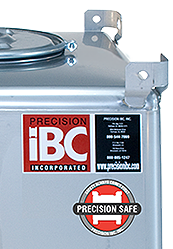
‘Tis the season once again, and we are overjoyed to share our unwavering commitment at Precision IBC to our annual Toy Drive, dedicated to supporting the heartwarming mission of Toys for Tots. This year, our initiative extends through December 12th, and we invite you to join us in making a lasting impact by donating new, unwrapped toys.

A Convenient Location for Generosity

Our doors at the Broussard location stand wide open to welcome your contributions, making it simple for you to spread joy during this festive season. Feel free to stop by anytime between 8 am and 5 pm, you’ll find us at the following address:

100 Precision Drive, Broussard, LA 70518 (Conveniently located just off HWY 90)

Online Giving Made Easy

For those who prefer the ease and convenience of online shopping, we offer the option to browse and purchase gifts from our Amazon Wishlist:

Amazon Wishlist

A Mission of Holiday Cheer

At Precision IBC, our mission remains steadfast: to illuminate the lives of underprivileged families in the heart of the Acadiana region. Your support is the cornerstone of this mission, and we wholeheartedly appreciate your donations of new, unwrapped toys. Every contribution directly contributes to the welfare of children through Toys for Tots of Louisiana.

Let’s Unite for an Extraordinary Holiday Season

Together, we can create a holiday season filled with extraordinary moments for those in need. Join us in this heartwarming endeavor, and together, we’ll make a difference in the lives of children. 🌟

In the spirit of the season, we invite you to be a part of the joy we aim to spread. Your contributions, whether in person or online, are cherished and valued. Thank you for helping us make the world a bit brighter during this season of giving.


+ Follow us on LinkedIn

Keeping Stainless Steel IBCs in Compliance with DOT Regulation

Keeping Stainless Steel IBCs in Compliance with DOT Regulation

Keeping stainless steel Intermediate Bulk Containers (IBCs) in compliance with the U.S. Department of Transportation (DOT) regulations is crucial for the safe and legal transportation of hazardous materials. To maintain DOT compliance for stainless steel IBCs, you should follow these essential steps:

  1. Select Approved IBCs: Ensure that the stainless steel IBCs you use are DOT-approved or have met the regulatory requirements outlined in the DOT’s Hazardous Materials Regulations (HMR). Only use IBCs that have the necessary approvals and certifications for your specific application.
  2. Regular Inspection: Implement a routine inspection program for your IBCs. Inspect them before each use to identify any visible damage, leaks, or defects. Pay special attention to the integrity of seals, gaskets, valves, and closures. Address any issues immediately.
  3. Maintenance: Maintain IBCs according to the manufacturer’s recommendations and industry best practices. This may involve periodic cleaning, lubricating valves, and replacing worn or damaged parts. Keep detailed maintenance records.
  4. Documentation: Maintain comprehensive documentation of your stainless steel IBCs. This documentation should include information on the manufacturer, testing records, certification details, and any modifications or repairs made to the containers.
  5. Compatibility: Ensure that the materials you intend to transport in the IBCs are compatible with the construction materials and linings of the containers. Avoid using IBCs for materials they are not designed to handle.
  6. Training: Provide proper training for employees and personnel involved in the handling and transportation of hazardous materials in stainless steel IBCs. Training should cover DOT regulations, safety procedures, and emergency response protocols.
  7. Labeling and Marking: Ensure that IBCs are correctly labeled and marked with the appropriate UN symbols and codes, as required by the DOT. This information provides critical details about the container’s approval and capacity.
  8. Closure and Sealing: Verify that closure mechanisms, including valves and fittings, are in good working condition and properly sealed. Prevent unauthorized access and tampering with safety features.
  9. Periodic Testing: Periodically retest IBCs as required by regulations and standards. This may involve pressure testing or other tests to ensure the continued safety and integrity of the containers. Precision IBC, Inc. offers in-house and onsite IBC recertification services as well as IBC recertification training classes, which allows you to retest your fleet as needed, increasing efficiencies, eliminating downtime and cutting costs.
  10. Stay Informed: Stay informed about updates to DOT regulations and standards related to the transportation of hazardous materials in IBCs. Ensure that your operations remain compliant with any changes in the regulatory landscape.
  11. Emergency Response Plan: Develop and maintain an emergency response plan for dealing with potential accidents or spills involving hazardous materials in IBCs. Train employees on how to respond to emergencies safely and effectively.
  12. Transportation Documentation: Comply with DOT requirements for shipping hazardous materials, including proper documentation, placarding, and adherence to transportation modes and routes.

By following these steps and regularly reviewing your compliance practices, you can help ensure the safe and legal use of stainless steel IBCs for the transportation of hazardous materials in accordance with DOT regulations. It’s essential to prioritize safety and regulatory compliance to protect both personnel and the environment.